Most sellers source products by asking one question: "Is this profitable right now?"
That sounds sensible. It is also how plenty of strong leads get tossed aside.
A product may look unprofitable today because Amazon is in stock, the Buy Box is low, or too many sellers are competing. A month later, Amazon may disappear, sellers may run out of inventory, and the price may recover. If you never saved the lead, you will probably never see that opportunity.
Proper sourcing is not about predicting the future. It is about saving products with real demand and known suppliers, then letting changing market conditions reveal the winners.
The process starts with two questions:
- Can I find the product?
- Does the listing have potential?
That is the first pass. No twelve-tab investigation. No emotional attachment to a kitchen utensil. Find it, judge its potential, and keep moving.
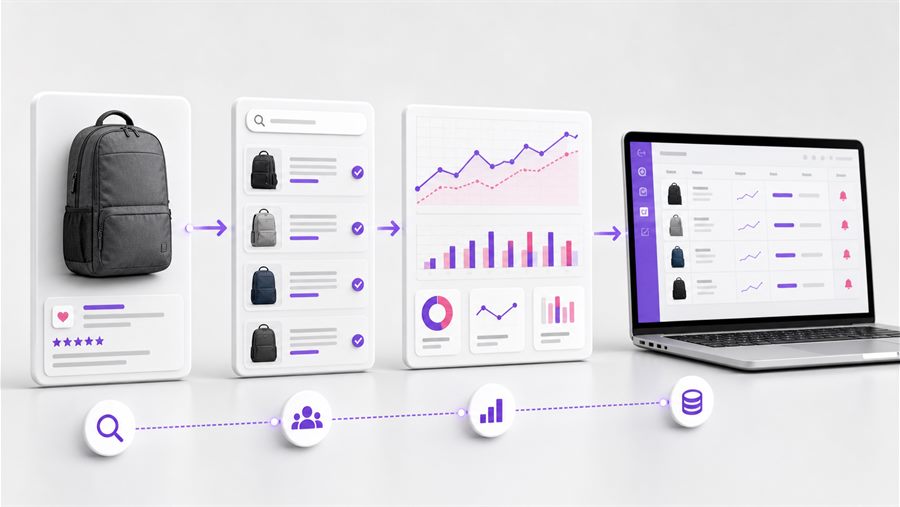
Start With Products You Can Sell
Before researching thousands of listings, narrow the field to products you are eligible to sell.
Amazon restrictions can exist at the category, brand, and individual listing levels. Being approved for a category does not guarantee that you can sell every brand in it. Being approved for a brand does not guarantee that every listing under that brand is open to you.
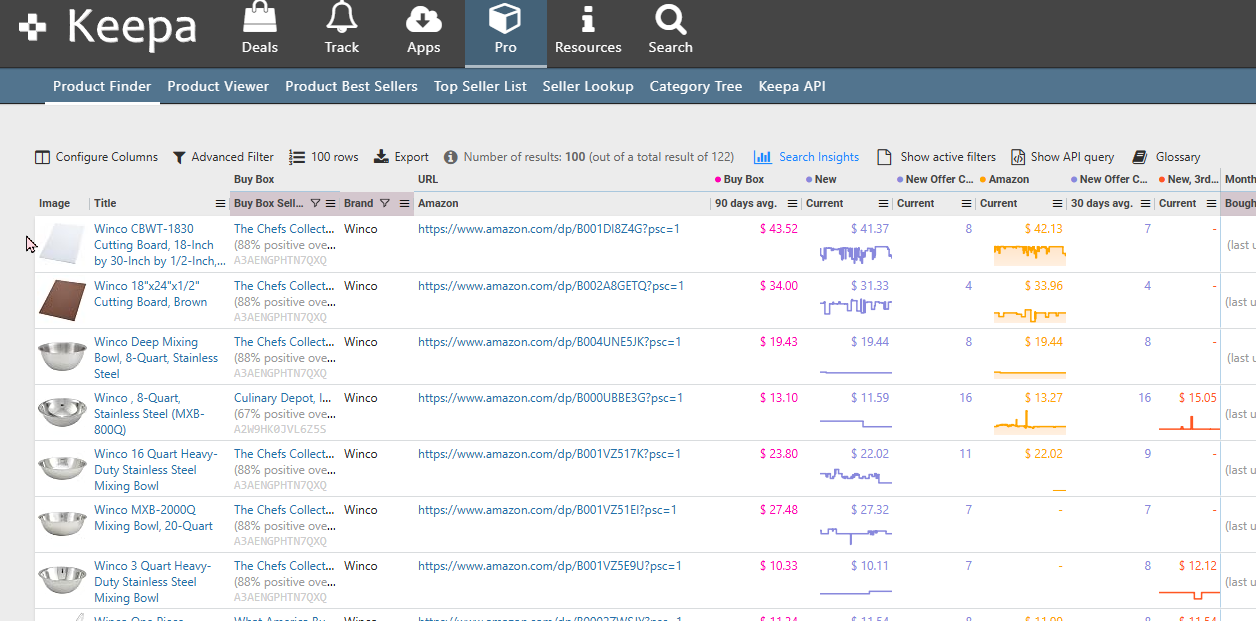
Check eligibility before investing serious time. Once you find a brand you can sell, use Keepa Product Finder to pull its listings and review them in batches. Add filters for size, weight, rank, or other requirements, but do not narrow the results so much that you remove products with future potential.
For a faster top-of-funnel workflow, see how to find good leads in bulk with 3P Mercury. Bulk sourcing gives you reach. Manual sourcing gives you depth.
Find The Exact Product Quickly
Open a batch of product listings and begin with the simplest question: can you find an exact supplier match?
Search Google using the product title, brand, size, count, model number, or UPC. Check multiple results when needed, but confirm that the supplier page matches the Amazon listing exactly.
Watch for differences such as:
- A 13-quart item instead of a 16-quart item
- One unit instead of a multipack
- A different flavor, color, or model
- A case price that looks like a unit price
- An outdated or unavailable product page
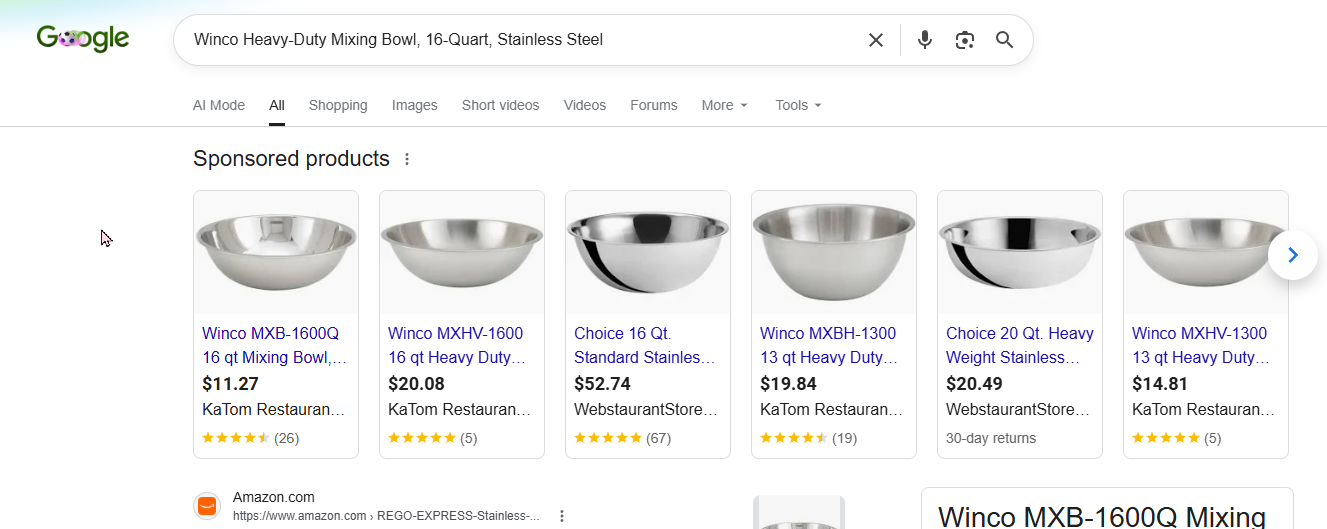
If a normal search does not work, search the UPC by itself or paste it into a retailer's site search.
Set a time limit. If you cannot find the product within roughly one or two minutes, move on. Spending twenty minutes rescuing one stubborn lead is usually a poor trade when thousands of other products are waiting. Speed comes from repetition.
Verify unfamiliar suppliers
Finding a low price means very little if the store is unreliable or the product is not authentic.
- Search for independent reviews and recurring complaints.
- Check the business location with Google Maps.
- Look for a real storefront, warehouse, and working contact information.
- Review shipping, return, and cancellation policies.
- Contact the brand when you need stronger confirmation that a seller is authorized.
This does not eliminate every risk, but it beats trusting a website with a suspicious enthusiasm for 80% discounts.
Judge The Listing's Potential
After finding a reliable source, inspect the listing's history. Do not stop at the current Buy Box.
The useful question is not only "What is happening today?" It is "What has this listing shown it can do?"
Look for:
- Consistent sales activity
- A sales rank that shows real demand
- Historical FBA prices above the current price
- Amazon periodically going out of stock
- A declining offer or seller count
- FBA sellers running out of inventory
- Price increases when competition falls
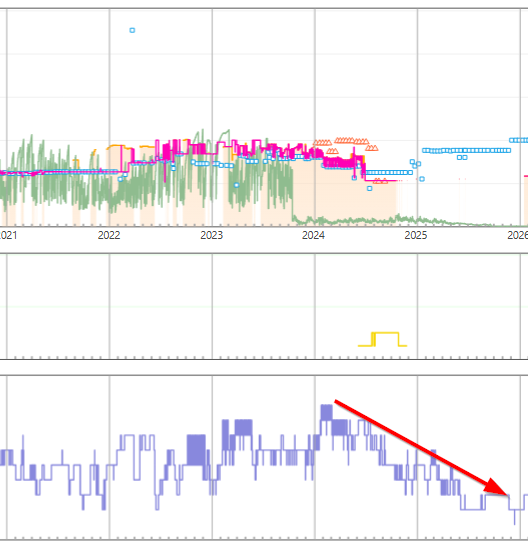
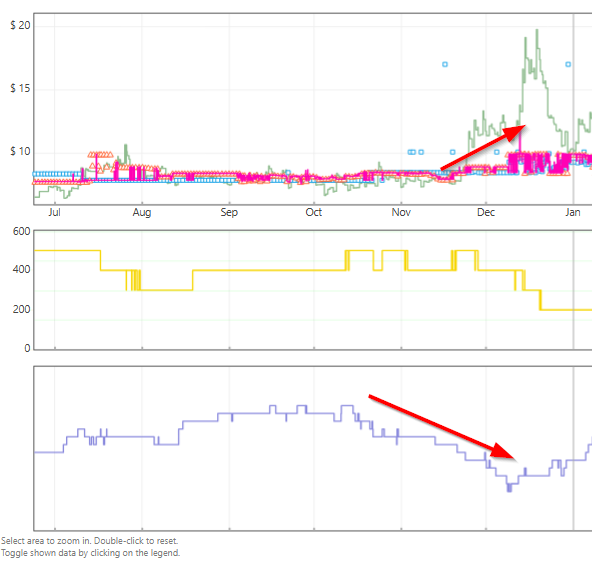
A suppressed Buy Box is not an automatic rejection. Amazon being on the listing is not one either. If Amazon repeatedly runs out of stock, third-party sellers may still have profitable windows. A listing with FBM offers but little FBA competition may also leave room for a Prime offer.
Historical data is evidence, not a promise. Use it to decide whether a small test is reasonable.
Source for potential, not only immediate profit
Imagine a product that costs $9.26. At first glance, the listing looks awkward: the Buy Box is suppressed, Amazon previously sold it near $21, and current data is thin. But its longer history shows demand, fewer sellers, Amazon out of stock, and earlier FBA prices near $40.
At a possible FBA price near $45, the product could produce a strong margin. That does not mean buying 100 units. It means the listing may deserve a small test.
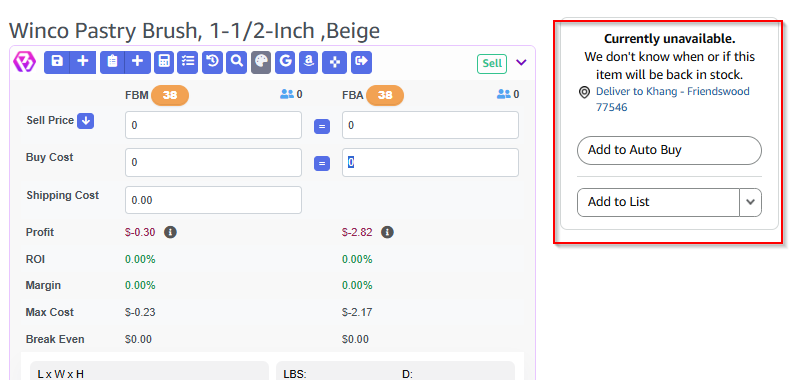
Immediate-profit sourcing asks, "Can I buy this today?" Potential-based sourcing asks, "Would I want to know when this becomes buyable?"
If the product moves and you know where to buy it, save it in 3P Mercury. Today's weak lead may become next month's easy decision.
Let 3P Mercury Surface The Right Moment
A spreadsheet can store a supplier link. It will not tap you on the shoulder when the market changes.
Once promising ASINs are in 3P Mercury, you can filter for decreasing seller counts, fewer offers, rising Buy Box prices, Amazon going out of stock, low FBA competition, updated profit, and supplier price changes.
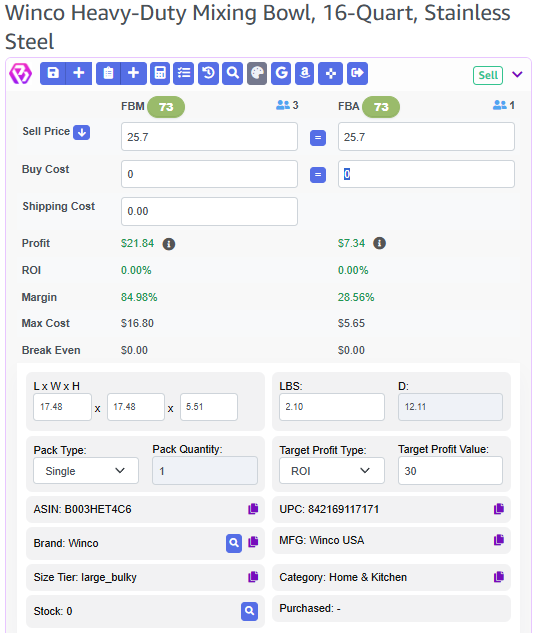
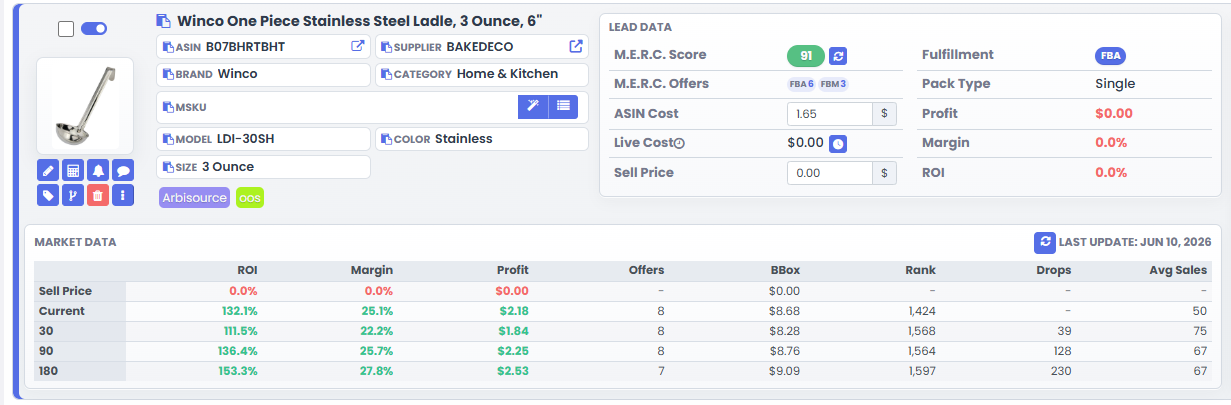
Your daily routine becomes simpler: open saved filters, review products where competition has fallen or prices have risen, refresh the supplier cost, and decide whether to buy. A lead with only a few cents of profit today may still be worth saving because you are preserving the research for later.
When a product becomes attractive, follow the organized workflow for purchasing inventory effectively with 3P Mercury: test carefully, manage the budget, and keep the purchase records organized.
Build The Skill, Then Build The System
Manual sourcing can feel slow because you are learning to match products, read Keepa history, recognize demand, spot competition changes, evaluate suppliers, and know when to move on.
Repetition makes each decision faster. Once the process is consistent, document it and train a virtual assistant or sourcing team to follow the same standard:
- Can we find the exact product from a credible source?
- Does the Amazon listing show demand and future potential?
Do not require every saved lead to be profitable today. Save qualified potential, then use 3P Mercury to watch for the right buying conditions.
Find products you can sell. Locate an exact, trustworthy source. Confirm that the listing has demand. Study what happens when Amazon or other sellers leave. Save the lead, monitor the market, and test conservatively when the opportunity appears.
The result is more valuable than a one-time lead list: a living database of known products, known suppliers, and changing opportunities.
Frequently Asked Questions
What is the fastest way to source products manually?
Use a two-step first pass: determine whether you can find the exact product, then check whether the Amazon listing has demand and future potential. Move on when a supplier match is not easy to find.
Should I save a lead that is not profitable today?
Yes, when the product has real demand and you know where to buy it. Competition, Amazon availability, supplier costs, and selling prices can change.
What should I check on a Keepa chart?
Review sales activity, rank history, Amazon stock patterns, FBA prices, offer counts, and seller counts. Focus on longer-term trends instead of one current data point.
How can I tell whether an online supplier is legitimate?
Check independent reviews, the company's physical location, contact information, policies, and history. Contact the brand when stronger retailer verification is needed.
Build A Better Sourcing System
Sign up for 3P Mercury to simplify your business. The one software that takes you from sourcing to shipping, automated with the power of AI.
Sign up for 3P Mercury