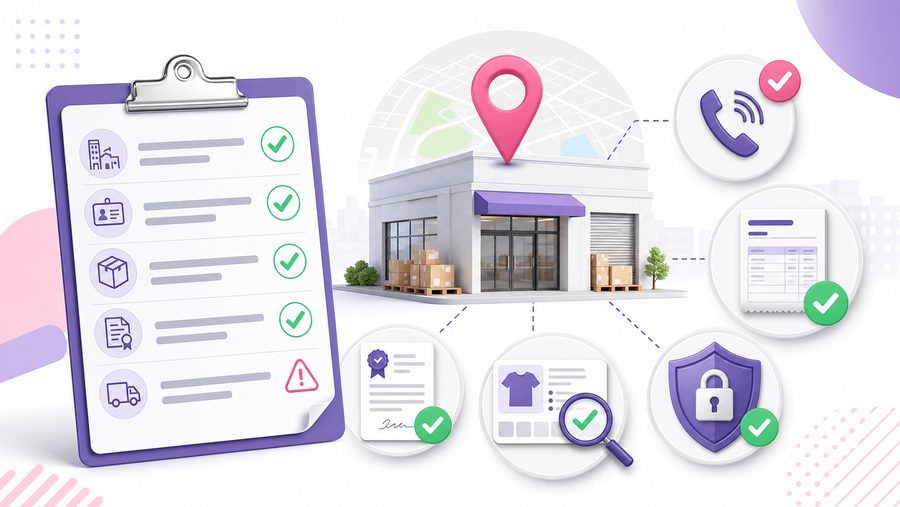
Getting an Amazon Section 3 notice is like opening your inbox and seeing a bill you did not know existed.
Technically, you can deal with it.
But your day is ruined.
Your account can freeze. Shipments can stop. Disbursements can get held. And now you're trying to explain supplier invoices to Amazon while your coffee gets cold and your blood pressure starts doing CrossFit.
The scary part is that "Section 3" does not mean one single violation. Section 3 is the part of Amazon's Business Solutions Agreement that gives Amazon broad authority to suspend or terminate an account when it believes the account creates risk. That risk can involve authenticity, deceptive conduct, account health, linked accounts, verification problems, customer harm, restricted products, or other policy issues.
You cannot eliminate every possible review. Nobody can. But you can make your sourcing process much easier to defend.
Quick Answer: What Prevents Section 3 Sourcing Problems?
The best way to prevent sourcing-related Section 3 problems is to buy from suppliers you can verify, match every product to the correct ASIN, save clean invoices and receipts, keep chain-of-custody records, and avoid products or suppliers you cannot confidently defend.
Before buying from a supplier, check whether the business has a real address, whether the Google Maps image matches the type of company it claims to be, whether reviews show fake-product complaints, whether the listing is correctly branded, and whether the brand can confirm the distributor is authorized.
That last one matters most. If you are not sure, call the brand. Ask if the distributor is authorized to sell that product.
Download the Section 3 Sourcing Safety Checklist
Want the short version you can keep next to your buying process? Grab the TLDR checklist and use it before you approve a supplier, ASIN, or risky bundle.
Download the ChecklistTreat Sourcing Like a Compliance Decision
A profitable product is not automatically a safe product.
That is the sentence sellers need tattooed on their sourcing brain. Maybe not literally. Hard to explain at Thanksgiving.
Before buying, ask:
- Is this supplier a real, established business?
- Can I verify its address, contact details, and reputation?
- Is the supplier authorized to distribute this brand?
- Will it provide an invoice or receipt with business details?
- Does the price make commercial sense?
- Can I explain this purchase to Amazon without sounding nervous?
Be careful with sellers who only operate through Telegram, Discord, WhatsApp, social media messages, or a generic email address. A polished website is not proof of a legitimate supply chain. Anyone can buy a theme, upload product photos, and call themselves a distributor. Congratulations, they have discovered the internet.
Gray-market goods are another risk. A supplier might sell authentic products but not have permission to distribute them in your country, channel, or marketplace. That can still create brand complaints, invoice problems, and account risk.
Verify the Supplier Before You Trust the Website
Do not stop at the supplier's website.
A website can say "authorized distributor" all day long. Your job is to check whether the outside world agrees.
Check the address on Google
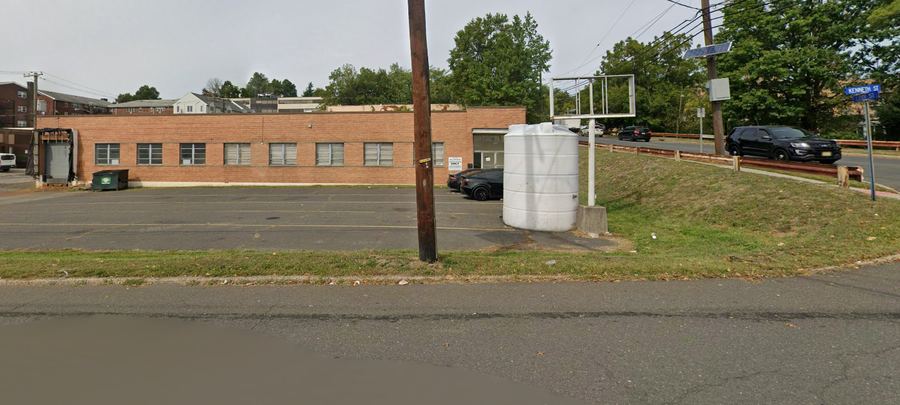
Search the supplier's business name and address. Then look at the Google Maps listing and Street View.
Ask whether the company name matches the address, whether there is a visible sign on the building, whether the location looks like a real retail store, distributor, warehouse, or office, and whether the hours, phone number, and website match the supplier's site.
This is where you should judge a book by its cover.
Seriously.
If a company claims to be a national distributor for a major brand but Street View shows a tiny apartment complex, that does not mean it is automatically fake. But it does mean you should slow down and verify harder.

Check Trustpilot, but read the reviews
Trustpilot and review sites can help, but do not just look at the star rating. Read the actual reviews.
Look for patterns like customers saying they received fake products, complaints about scam transactions, orders paid for but never shipped, refunds never issued, wrong products sent repeatedly, counterfeit mentions, sudden clusters of suspiciously perfect reviews, or reviews that look like they were written by the same person with a different hat.
A 4.2-star rating can still hide serious problems if the negative reviews all say the same thing. One angry customer is noise. Twenty customers saying "fake product" is not noise. That is a choir.
Call the brand when in doubt
This is the main lesson.
When in doubt, call the brand and ask if the distributor is authorized to sell their product.
Ask whether the company is an authorized distributor, whether authorization applies to that product line, whether it applies to your marketplace, whether Amazon resale is allowed, and whether the brand has an authorized distributor list.
If the brand says no, believe the brand. If the brand says they do not know the supplier, be careful. The brand is the ultimate source of truth. Use it.
Match the Product to the ASIN Exactly
Supplier verification protects the source. ASIN matching protects the listing.
Do not list a branded product on an ASIN whose brand field says "Generic," names another company, or uses a variation of the real brand name. A package that clearly says one brand does not belong on a Generic ASIN just because other sellers are already there.
Other sellers being wrong does not make you right. It just means the line for the mistake is longer.
Before listing or buying, verify:
- Brand
- Product title
- Model number
- UPC, GTIN, or barcode
- Pack count
- Size, color, flavor, and variation
- Condition
- Images and packaging
- Compatibility claims
- Bundle contents
Never use a Generic listing to bypass brand gating. Do not create misleading titles, descriptions, bundles, or variations to avoid approval requirements.
Avoid Branded Bundling and Incorrect Brand Listings
Branded bundling used to be a popular strategy. Sellers would list other branded products under their own brand, combine mixed branded items, or build a bundle under the wrong brand because the math looked good.
That strategy is now a serious risk and should be avoided. Amazon has specifically tightened bundle rules in areas like consumables, including rules around original manufacturer-created bundles, brand ownership, mixed products, Generic bundle listings, and own-brand workarounds.
So if you see a listing that looks profitable but is incorrectly branded, includes items mixed under the wrong main brand, appears under a Generic listing, or is a homemade bundle in general, slow way down.
Actually, slow down so much the cart gets bored.
Take extreme caution with:
- Listings where the product package shows one brand but the Amazon brand field shows another.
- Bundles that mix multiple branded items under one private-label brand.
- Listings that use "Generic" for branded products.
- Bundles that look seller-created instead of manufacturer-created.
- Bundle pages where the main item and add-on items do not clearly belong under the same brand policy.
- Any bundle that only looks profitable because the listing is structured in a questionable way.
If the listing looks profitable because it is branded wrong, that is not a hidden opportunity. That is a red flag wearing sunglasses indoors.
Be Careful When the Brand Is Selling on the Listing
If the brand itself is selling on the listing, do not ignore it.
You may still be allowed to sell there. But the brand's presence is a warning signal worth reviewing before you buy.
First, it can be hard to compete with the brand on price. The brand may have better margins, deeper inventory, direct control over supply, and no reason to let third-party sellers hold the Buy Box comfortably.
Second, it can indicate the brand may want tighter control of the listing. If the brand is actively selling, maintaining the content, and monitoring offers, it may be less friendly to random resale inventory showing up from unknown channels.
Before buying, check whether the brand, manufacturer, or official store is on the seller list, whether third-party sellers appear and disappear often, whether price drops are common, and whether your invoices are strong enough to defend the source if Amazon asks questions.
Skip the buy if the profit only works when you pretend the brand is not standing right there on the listing.
Build a Chain-of-Custody File Before You Need It
The best time to assemble evidence is when an order is placed. Not after Amazon asks for it.
For every purchase, save:
- Supplier name, website, phone number, and address
- Proof that the supplier is legitimate
- Brand authorization notes or brand confirmation when available
- Invoice or receipt
- Order confirmation and payment confirmation
- Shipping, delivery, and receiving records
- Product and UPC photos when needed
- FBA shipment ID and Amazon receiving record
Create a purchase log with the ASIN, SKU, supplier, order number, purchase date, quantity, payment method, and links to supporting files.
3P Mercury can support this workflow by keeping purchasing, receipts, receiving, on-hand inventory, and shipment records connected. That matters because Section 3 prevention is not just about buying better products. It is about being able to prove what happened later.
Memory is not documentation. Memory also forgets where it put the tracking number.
Keep the Rest of the Account Boring
Section 3 prevention is not only about sourcing.
Amazon may look at account health, customer complaints, authenticity issues, restricted-product warnings, linked accounts, access patterns, and missed communications. The boring stuff matters.
Track order defect rate, late shipment rate, pre-fulfillment cancellation rate, valid tracking, A-to-z claims, returns, negative feedback, intellectual-property complaints, authenticity complaints, restricted-product warnings, and Account Health notifications.
And check Amazon messages every day.
You know those people who wait until the gas light has been on forever, then start praying for a gas station? Do not manage Seller Central messages that way. A missed verification request can turn a manageable review into a deactivation.
Once per quarter, run a readiness drill. Pick three active ASINs and give yourself 30 minutes to produce the supplier record, invoice or receipt, payment proof, shipping proof, receiving records, FBA shipment record, and a plain-English explanation of why the product matches the ASIN.
TLDR Checklist for Safer Amazon Sourcing
- Supplier has a real address and business presence.
- Google Maps and Street View match the type of business the supplier claims to run.
- Review sites do not show patterns of fake products, scams, or missing orders.
- The brand confirms the distributor when the source feels questionable.
- Product, UPC, count, packaging, and brand match the Amazon ASIN.
- No incorrectly branded listings, branded bundling, mixed-brand bundles, or Generic workaround listings.
- The brand is not actively controlling or aggressively selling the same listing without a clear reason for you to compete.
- Restrictions, hazmat, meltable, expiration, and profitability checks are complete.
- Receipts, invoices, screenshots, and buy records are saved before shipment.
The strongest Section 3 prevention strategy is not a clever appeal template. It is a business whose sourcing, listings, documents, access, and customer service can withstand scrutiny.
Source legitimate goods. Verify suppliers. Match products correctly. Save the evidence. Monitor warnings. When those habits become routine, a surprise review is far less likely to become an existential crisis.
Frequently Asked Questions
What causes an Amazon Section 3 suspension?
Section 3 suspensions can involve different risk signals, including authenticity concerns, account health problems, deceptive conduct, linked accounts, verification issues, restricted products, or customer harm.
How do I verify an Amazon supplier before buying?
Verify the supplier's address, phone number, website, reviews, invoice quality, business presence, authorization status, and whether the brand confirms the supplier is authorized to distribute the product.
Are branded bundles safe to sell on Amazon?
Some manufacturer-created bundles may be allowed when they follow Amazon's current policy, but seller-created branded bundles, mixed-brand bundles, Generic workaround bundles, and incorrectly branded bundle listings should be treated as high-risk and avoided unless you can clearly prove compliance.
Is it a red flag if the brand is selling on the listing?
Yes, it is a red flag to review. It can make price competition harder and may indicate the brand wants more control over the listing or channel.
Related Reading
- For product risk checks before checkout, read How to Avoid Bad Amazon Buys Before They Hit Your Cart.
- For purchase orders and receipt tracking, read How to Purchase Inventory Effectively with 3P Mercury.
- For receiving and inventory control, read Why Every Amazon Seller Needs a Check-In Process.
This article is educational and is not legal advice. Amazon policies and review procedures change. Always review current Amazon policy pages and follow the instructions in any notice you receive.
Keep Your Sourcing Proof Connected
Sign up for 3P Mercury to simplify your business. The one software that takes you from sourcing to shipping, automated with the power of AI.
Sign up for 3P Mercury